Evaluating the Teach Compassion Kindness Embroidery Design
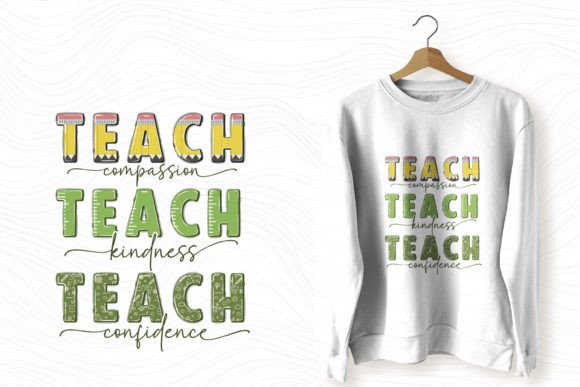
When a design lands in your library with a title like Teacher SVG - Teach Compassion Kindness, it immediately sets a tone. This isn’t just a graphic; it’s a sentiment packaged for needle and thread. As someone who turns digital files into tangible, stitched products, my first step is always to look beyond the screen and imagine how this will translate under a hoop.
The Immediate Mood and Visual Personality
Opening the files, the core message is clear and warm. The theme of compassion and kindness paired with “Teach” suggests a design meant for educators, mentors, or anyone who embodies that nurturing spirit. The layout likely focuses on the lettering and supporting motifs, creating a design that feels approachable and heartfelt. This isn’t an aggressive or overly decorative piece; its visual personality is gentle and affirming. For an embroidery project, that mood translates directly into a product that feels like a personal tribute or a meaningful gift.
A Natural Fit for Real Embroidery Projects
I picture this design on a custom embroidered tote bag for a beloved teacher. The sturdy canvas of a tote provides a perfect backdrop for clean satin stitches outlining the letters. I also see it beautifully worked onto the left chest of a soft sweatshirt, a subtle but daily reminder of that ethos. For a baby item, like a nursery pillow cover or a small blanket, it becomes a gentle affirmation in a child’s space. As a patch, it could be applied to an apron for a caregiver or a cap for a coach. The design inherently belongs to projects meant to convey appreciation, guidance, or a positive philosophy.
Where This Design Performs Exceptionally Well
In real-life embroidery situations, Teacher SVG - Teach Compassion Kindness would shine on stable, medium-weight fabrics. Think of boutique tea towels, pillow covers, or the front panel of a structured tote bag. For apparel decorators, it’s ideal for the non-stretch areas of t-shirts or sweatshirts. As a handmade product for Etsy sellers or craft fair tables, it elevates simple items into thoughtful merchandise. Its clarity makes it strong for printable mockups and digital product previews, helping customers visualize the finished product. For personalized gifts—a holiday gift for a mentor, a wedding gift for a couple who teaches—it adds a layer of custom, professional touch that buyers engage with.
Considerations for Stitching Success
This is where practical judgment comes in. The success of any embroidery file hinges on its adaptation to the physical world. With a design centered on lettering and likely some decorative accents, you must be mindful.
- Small hoop sizes might compress the design too much, losing clarity in tiny lettering.
- On textured fabrics like some towels or thick knits, the stitch definition can soften.
- Stretchy fabric requires excellent stabilizer to keep the message crisp.
- On dark fabric, thread color contrast is paramount; a light, bright palette will pop.
- Applying it to curved surfaces like caps requires checking how the layout distorts.
- Dense stitch areas, if present in fill stitches, need proper thread management to avoid puckering.
Products destined for frequent washing, like baby clothes or kitchen linens, benefit from a robust stitch structure and quality threads to maintain the design’s integrity over time.
Impact on Your Product and Your Customer
Using a design like this affects more than just aesthetics. It influences product value. A well-embroidered, meaningful phrase on a tote bag increases its perceived worth as a handmade product. It builds customer trust when the stitching is clean and professional. For a small business, it aids brand consistency if you specialize in uplifting, giftable items. The giftability and recognition are high—a customer immediately understands the sentiment. This engagement is crucial for Etsy listings and craft business growth.
Practical Notes From the Hoop
Before loading this into your machine for a client’s order or your shop inventory, run through these steps.
- Always test the design on scrap fabric first, using the actual material you plan for the final product.
- Check thread color contrast against both light and dark background mockups.
- Review the implied stitch density in the file preview; adjust if needed for your fabric weight.
- Confirm your planned hoop size accommodates the design without crowding the edges.
- Inspect any small details or corners in the SVG to ensure they’ll translate cleanly into running or satin stitches.
- Use the proper stabilizer for your project’s fabric texture and stretch.
- Crucially, check the licensing provided with these files. The description mentions formats (EPS, SVG, PN) but doesn’t explicitly state terms. Verify whether it’s cleared for both personal and commercial embroidery projects before selling finished items or using it as a digital embroidery file in your own design assets.
Embroidery is the bridge between a digital graphic and a tactile, cherished object. Teacher SVG - Teach Compassion Kindness has the core ingredients to cross that bridge beautifully—a clear message and a warm intent. By applying these practical insights from stitch density to licensing, you can ensure it becomes not just a design in your library, but a standout feature on your next embroidered tote bag, sweatshirt, or custom gift, resonating with the maker and the recipient alike.