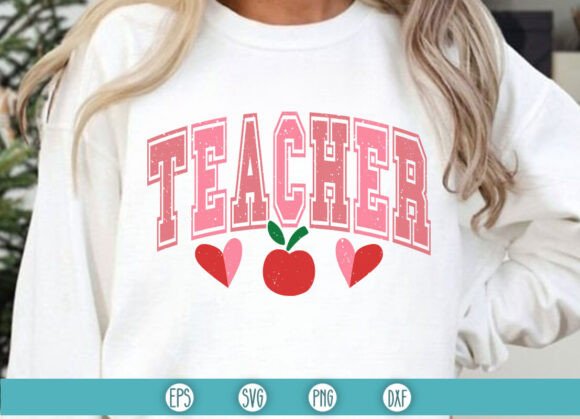
A Designer's Review of Teacher, Varsity, and Valentine SVG Designs
As someone who has embroidered hundreds of projects for clients and my own small shop, I approach every new design file with a practical eye. The immediate question isn't just if it looks good on screen, but how it will look after stitching, feel in a finished product, and resonate with an actual customer. Today, I’m evaluating the bundled Teacher SVG, Varsity SVG, Valentine SVG set from the perspective of putting needle and thread to fabric.
First Impressions: Mood, Layout, and Project Fit
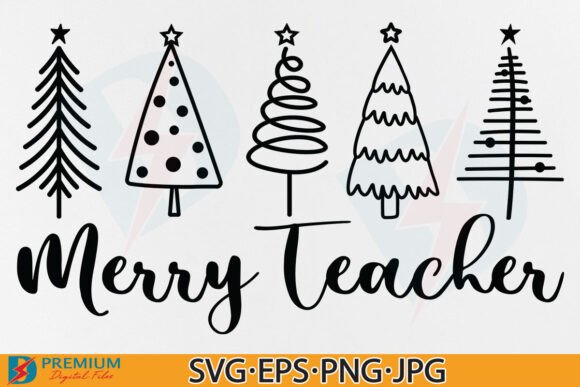
The trio presents a clear, thematic collection. The Valentine SVG likely carries a sweet, heartfelt mood, while the Varsity SVG suggests a sporty, collegiate energy, and the Teacher SVG leans toward appreciation and scholastic pride. The “Word By Layer” description implies these are likely text-based or have layered elements, which is excellent for custom apparel where you want clear, readable statements. The initial feeling is that these are designs meant to convey a specific identity or message—perfect for personalized gifts or small shop merchandise targeting niche audiences like educators, students, or couples.
Their strength lies in their likely simplicity and boldness. For machine embroidery, this is a huge advantage. Designs with clean shapes and distinct layers translate beautifully into satin stitches for text and fill stitches for larger elements. They wouldn’t get lost on a textured fabric like a sweater or a tote bag. I immediately pictured the Teacher SVG on an embroidered tote bag for a teacher’s gift, the Varsity SVG on the chest of a custom sweatshirt for a school club, and the Valentine SVG delicately stitched on a pillow cover or a kitchen towel as a boutique holiday item.
Performance in Real-World Embroidery Projects
Let’s walk through a real scenario. Imagine you’re an Etsy seller preparing a batch of Valentine’s gifts. You want to offer embroidered baby items—a sweet romper with a small, charming design. The Valentine SVG, if it’s composed of clean lines and not overly dense, would be ideal here. You’d hoop the tiny garment, use a good cutaway stabilizer, and the resulting stitch would be crisp and gentle enough for babywear.
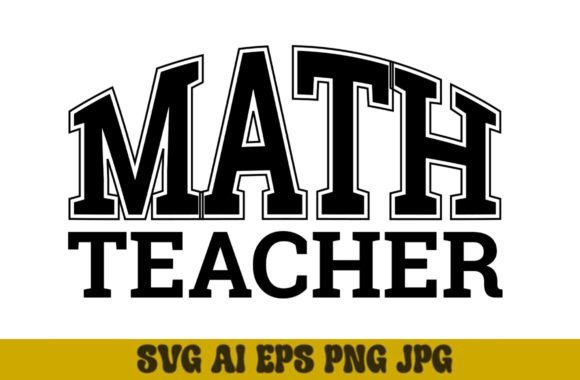
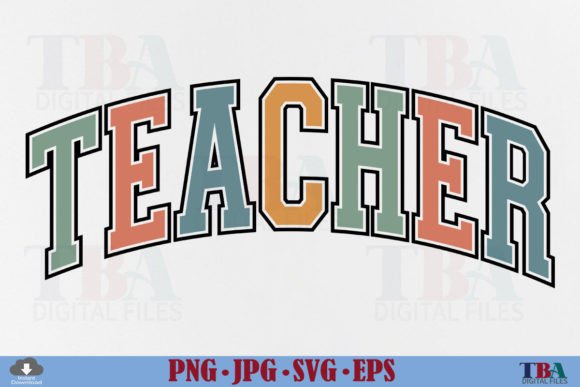
For the Varsity SVG, think embroidered caps or patches. Curved surfaces like caps require designs that can scale well and have details that won’t pucker. A bold, blocky varsity-style lettering would perform brilliantly here, offering great stitching clarity and a high-value look for team merchandise. Similarly, the Teacher SVG could become a stunning embroidered patch on a denim jacket or a focal point on an apron for a craft fair product. This versatility directly boosts product value and customer trust—when the finished item looks professional and intentional, buyers engage more deeply.
In commercial embroidery projects for a local business, such as uniforms or promotional items, these designs could serve as excellent design assets. Their thematic nature helps with brand consistency for events like Teacher Appreciation Week or Valentine’s Day sales campaigns.
Caution Areas and Designer Considerations
No design is universally perfect. With SVG files like these, the primary caution comes from the potential for small lettering or intricate corners. If the design includes very fine script or tiny decorative accents, you must be careful on thin fabric or stretchy fabric like t-shirts, where dense stitches can cause distortion or where small details might get lost.
Dark fabric backgrounds require you to think critically about thread color contrast. A design meant to be light and delicate might need a completely different color palette on a black sweatshirt to maintain its visual appeal. Also, if the design has areas of high stitch density, it might become too stiff for items that need frequent washing, like household tea towels or everyday wear.
Always, always test the design on scrap fabric first. Use the same material you intend for the final project. This lets you inspect small details, review the stitch outcome, and confirm your hoop size is adequate. I also recommend testing it in both black and white mockups digitally to visualize it on light and dark backgrounds before you even load the embroidery file into your machine.
Practical Notes for Craft Entrepreneurs
Your process matters. For these Teacher, Varsity, and Valentine SVG files, since they are described as cut files, they are likely intended for methods like appliqué as well. An applique design can be fantastic for reducing stitch time and adding fabric texture, but it requires precise cutting and placement.
- Check the actual file contents in the ZIP folder. Understand the layers; sometimes one layer is for stitching and another for a cut line.
- Assess the design’s scale. Does it look balanced at a 4” hoop size for a baby embroidery item, and does it still have impact at a 6” size for a tote bag design?
- Consider the handmade presentation. On a holiday gift, a cleanly embroidered design with neat stitches speaks volumes about your care and skill.
- Crucially, confirm licensing before selling finished items. The product is categorized under T-Shirt Designs and Graphics, but you must verify if your use for commercial embroidery and selling physical products is covered.
The Final Stitch: Making These Designs Work for You
In essence, this bundle offers thematic versatility. Its real-world performance hinges on your preparation. By choosing the right project—a sturdy pillow cover for the Valentine theme, a robust cap for the varsity vibe, a durable tote for the teacher appreciation—you leverage the designs’ strengths. They excel in creating recognizable, giftable products with a clear emotional hook.
For the embroidery designer, small business owner, or crafter, these files are tools. Their value is unlocked not just by downloading them, but by thoughtfully integrating them into your workflow: proper stabilizer, mindful fabric choice, and a clear understanding of who your end customer is. When stitched with care, designs like these can elevate a simple item into a cherished personalized product, and that’s the true measure of a good embroidery design for real project use.