Evaluating the Grammar T-Shirt Design for Real Embroidery
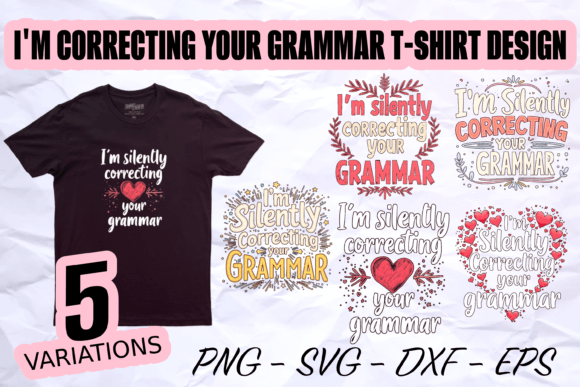
As a designer who works with embroidery files daily, I approach every new design with a practical eye. When I look at the "I'm Silently Correcting Grammar" T-shirt design, I’m immediately thinking beyond the PNG file. I’m visualizing how this graphic will translate into stitches on fabric, what kind of project it will elevate, and whether it’s a good fit for the makers and small business owners I know.
The First Impression: Witty & Wearable
The design has a clear, friendly personality. It’s not aggressive or overly academic; it’s playful and self-aware. The phrase itself is a great conversation starter, and the layout feels balanced for embroidery. The level of detail appears manageable—it’s not overly dense with tiny elements that might blur into a stitch mess. This isn’t a design that shouts; it whispers with clever confidence. I picture it on a relaxed cotton tee, a cozy sweatshirt, or a sturdy canvas tote bag. It feels like it belongs in the realm of personalized gifts and casual, statement-making apparel.
Where This Design Performs Beautifully
Let’s walk through some real-life embroidery situations. Imagine you’re preparing a custom embroidered sweatshirt for a teacher’s holiday gift. This design is perfect. Its theme is instantly recognizable and appreciative. On a medium-weight sweatshirt fabric, with good stabilizer, the text and decorative elements should stitch out with clean clarity, adding significant value to a simple garment.
For a small business owner stocking their Etsy shop with handmade products, this design is a solid asset. It’s highly customizable in color, which means you can adapt it to your brand’s palette or create variations for different listings—a navy version for a classic apron, a pastel version for a baby’s bib, or bright colors for a fun patch on a denim cap. The transparent background PNG is crucial here, allowing you to easily create printable mockups and previews on different digital product backgrounds.
Think about boutique merchandise like tea towels, pillow covers, or lightweight tote bags. The design’s eye-catching nature, as described, translates well to these items. On a kitchen towel, it becomes a humorous decor piece. As an embroidered patch, it could be applied to a backpack or jacket, appealing to a younger audience. The "teacher design" angle also opens doors for school-related gifts, nursery decor for a librarian’s baby, or even wedding gifts for the English major in your life.
Considering the Stitch: Practical Project Notes
In commercial embroidery projects or for craft fair products, consistency is key. The design seems straightforward, which means repeat stitching on multiple items—like a batch of caps for a bookstore—should be efficient. It likely won’t consume excessive thread or require overly complex hooping. For crafters making personalized gifts, the emotional resonance of the message increases its "giftability," making the finished product feel thoughtful and bespoke.
Where to Exercise a Bit of Caution
No design is universally perfect, and a practical review requires noting where careful planning is needed. The success of this embroidery project will hinge on execution details that aren’t visible in the PNG alone.
First, the lettering. "Silently Correcting" is the core of the design. If the text is small in the actual embroidery file, it could become fuzzy on textured fabrics like some sweatshirt materials or on stretchy fabrics without proper stabilizer. Always test the design on scrap fabric first. This is my cardinal rule. Run a sample on a similar fabric to your final project to check stitch density and clarity.
Second, consider the fabric background. The description mentions customizable colors, which is excellent. But on dark fabric, you’ll need to ensure your thread color choices provide strong contrast for the design to remain eye-catching. Similarly, on very thin fabric, a design with high stitch density could cause puckering. Check the recommended hoop size for the embroidery file if that information is provided.
Third, think about the end-use. Items that need frequent washing, like baby clothes or kitchen towels, benefit from a robust stitch construction. Inspect the small details in your test run—are the corners of any decorative accents secure? Would a satin stitch hold up better than a fill stitch for certain elements? Your test will answer these questions.
For curved surfaces like caps, the design’s layout needs to be adaptable. A wide, horizontal design might not fit well on a curved cap front. Always verify the design’s dimensions and suitability for the specific garment or product shape.
The Impact on Your Craft Business
Using a design like this effectively can positively affect your buyer engagement and brand consistency. For an Etsy seller specializing in teacher gifts, this design becomes a cornerstone product. Its recognition factor helps. When a customer sees a clean, well-embroidered version on a tote bag, it builds trust in your craftsmanship. The handmade presentation feels professional because the design is strong and the execution is careful.
It also encourages variations. You could pair this embroidery with complementary items, creating a small collection—a grammar-correcting apron, a set of pillow covers, and a matching tea towel. This builds a cohesive look for your shop.
Essential Designer Checklist Before You Start
Before you hoope your first real project with this "I'm Silently Correcting Grammar" T-shirt design, run through this quick list:
- Test the embroidery file on scrap fabric that mimics your final product material.
- Check thread color contrast against your chosen fabric, both in light and dark backgrounds.
- Review the stitch density in your test piece. Is it appropriate for your fabric weight?
- Confirm the hoop size needed. Does it fit your machine and your intended item?
- Inspect small details, like fine lines or corners, for stitch integrity.
- Use the proper stabilizer for your fabric type—this is non-negotiable for clarity.
- Check whether the design works for both personal and commercial projects by confirming the licensing terms of the graphics file you purchased.
- Always create black and white mockups or previews to see the design in its simplest form, ensuring the layout is strong even without color.
Embroidery is a transformation from digital graphic to tactile art. The "I'm Silently Correcting Grammar" design has the foundational qualities—a clear theme, customizable colors, and an eye-catching premise—that make it a worthy candidate for your next embroidery project, gift, or small shop product. Approach it with a maker’s practical mindset, prepare properly, and it should stitch out into something your customers will love to wear, use, and share.