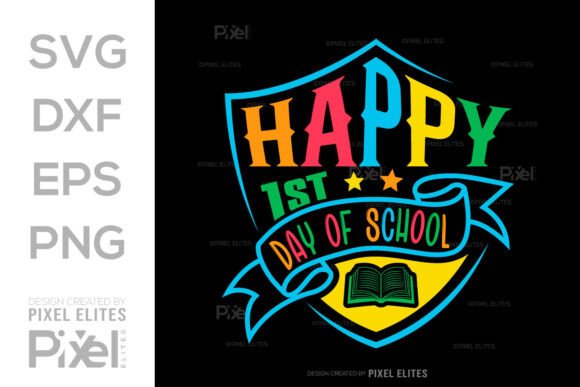
Evaluating a "Happy First Day of School" Design for Embroidery Projects
Whenever a new digital design lands on my desktop, my first instinct is to picture it as thread. I imagine it stitched onto a real fabric, held in a hoop, and I ask myself a simple question: will this translate into a beautiful, durable, and satisfying embroidery project? Today, I’m looking at a file called Happy First Day of School SVG School Kid, a graphic squarely aimed at the back-to-school season. While it’s categorized as a T-Shirt Design and a Graphic, my lens is that of an embroidery practitioner. I’m thinking through how this design would perform not just as a digital asset, but as a finished embroidered product for clients, gifts, or my own small shop.
The Immediate Mood and Visual Personality
The design’s theme is clear and celebratory. The "First Day of School" concept evokes a specific, heartfelt moment that parents and families cherish. Visually, it likely features a cheerful, perhaps cartoonish, school kid element alongside the text. This isn't a minimalist or abstract graphic; it's meant to be friendly, recognizable, and emotionally resonant. For embroidery, this personality is crucial. It suggests a project that should feel warm and handmade, perfect for personalized gifts or boutique children’s apparel. My first impression is that this isn't a design for a corporate logo patch; it’s for a memory-keeping item, like a special backpack tag or a commemorative pillow for a child’s room.
The Real-Life Embroidery Scenario: A Custom Tote Bag
Let’s ground this in a real case. Imagine a client, or perhaps a craft fair customer, wanting a custom embroidered tote bag for her child’s first day of kindergarten. She wants something unique, sturdy, and lovable that can carry snacks and supplies. The Happy First Day of School SVG School Kid design is a contender. My mind goes straight to the practicalities. How will the likely rounded shapes of the kid character handle satin stitch or fill stitch? Are the letters in "Happy First Day" clear and spaced well enough to remain legible after stitching, especially on a textured fabric like canvas? A tote bag is a functional item; the embroidery needs to withstand use and washing. The design’s appeal here hinges on its stitching clarity and its ability to look professionally done, not just digitally crisp.
Where This Design Would Naturally Shine
This graphic feels destined for projects centered around celebration and personalization. Beyond tote bags, I envision it working wonderfully on:
- Sweatshirt embroidery: A cozy, year-round keepsake for a parent.
- Baby clothes or toddler jackets: As an applique design or combined embroidery, it could make a wonderful photo-op outfit.
- Embroidered patches: That could be ironed onto a backpack or a denim jacket.
- Pillow covers or nursery decor: Adding a handmade touch to a child’s space.
- Kitchen towels or aprons: For a fun, themed gift for a teacher.
- Holiday gifts: Specifically, those back-to-school moments that feel like a family holiday.
For an Etsy seller or small business owner, this design could anchor a whole product line—from custom apparel to personalized gifts. Its inherent theme creates immediate recognition and emotional connection, which is gold for buyer engagement.
Caution Areas: Where Thread Might Struggle
Not every design translates perfectly to every surface. With a presumably detailed and text-heavy graphic like Happy First Day of School SVG School Kid, there are spots to approach carefully. My professional notes would include:
- Small hoop sizes: If the design is large or dense, a small hoop might not capture all details cleanly, especially tiny lettering.
- Textured or stretchy fabrics: Thin jersey or activewear fabric might distort the fill stitches. A good stabilizer is non-negotiable.
- Dark fabric backgrounds: This often requires careful thread color selection to maintain contrast and vibrancy.
- Curved surfaces like caps: The design’s layout might need adjustment to fit the curve without distorting the central image.
- Dense stitch areas: If the "school kid" graphic has lots of interior detail, stitch density could make the area overly thick and stiff.
These aren't deal-breakers; they're just the realistic checks any embroidery designer runs before committing to a project. They affect the final product’s quality, durability, and ultimately, customer trust.
Embroidery Designer Notes for a Successful Project
Before loading this file into my machine for a client’s sweatshirt or a craft fair batch of baby bibs, my routine is practical:
- Test on scrap fabric first: Use the same material you plan for the final product. See how the stitches lay.
- Check thread color contrast: Play with light and dark backgrounds in digital mockups, but the real test is with actual thread.
- Review stitch density in the file: If you're digitizing yourself from the SVG, pay attention to fill areas. If it's a provided embroidery file, stitch it out to inspect.
- Confirm your hoop size compatibility: Ensure the design dimensions fit your planned hoop without forcing awkward scaling.
- Inspect small details: The "School Kid" element’s features and the text need to remain clear after stitching. A blurry smile or merged letters hurts the handmade presentation.
- Use proper stabilizer for the fabric: This is universal, but critical for designs with text and distinct shapes.
- Clarify licensing for commercial use: The product description mentions multiple file formats (SVG, DFX, EPS, PNG) for cutting machines. For embroidery, you might be using it as a basis for digitizing. Always confirm the license terms before selling finished embroidered items or digital embroidery files derived from this graphic. This protects your craft business.
The Impact on Product Value and Professionalism
When a design like this is embroidered well, it elevates a simple item into a cherished product. The Happy First Day of School SVG School Kid theme, executed with clean stitches and thoughtful placement, increases the perceived value of a tote bag, sweatshirt, or baby outfit. It shows care and customization. For a creative entrepreneur, that translates to stronger brand consistency if you specialize in celebratory or family-oriented products, and higher giftability for customers. A poorly executed version, however—with unclear text or puckering fabric—can undermine professionalism. The design itself has the potential; the embroidery process unlocks it.
In the end, this graphic isn't just a digital asset; it's a blueprint for a tangible, emotional object. Its success in real embroidery situations depends entirely on the maker’s attention to those practical, thread-and-fabric considerations. For the right project—a personalized back-to-school gift, a boutique children’s product, a heartfelt patch—it offers a strong, recognizable foundation. My final judgment as a reviewer is positive, with a heavy emphasis on the standard designer due diligence: test, check, and confirm. That’s what turns a good graphic into a great embroidery project.