Evaluating Happy Fri-Yay Teacher as a Practical Embroidery Design
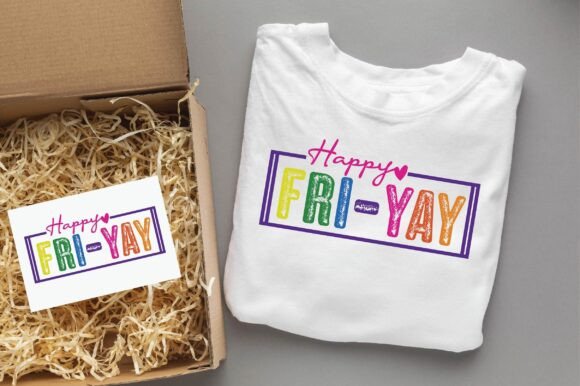
When a new embroidery file lands in my digital library, my first step isn’t to simply load it into the machine. I sit with it, looking at it as a finished stitched object. The Happy Fri-Yay Teacher design, positioned firmly in the T-Shirt Designs and Graphics category, immediately presents a cheerful, lighthearted mood. It’s a Friday celebration, teacher appreciation, and a casual vibe all rolled into one graphic concept.
The First Impression: A Design Built for Smiles
The playful typography and theme suggest this is a design for connection. It feels personal, not corporate. My initial thought is of a teacher’s lounge, a personalized end-of-week gift, or a fun item for a beloved educator. The layout is bold and clear, which is excellent for embroidery—we need shapes that can translate into clean stitch paths without losing their personality.
Where This Design Naturally Thrives
In practical application, I see this design shining on relaxed, cozy items. Imagine a soft, high-quality sweatshirt or a sturdy canvas tote bag for a teacher’s everyday use. It would make a wonderful focal point on a pillow cover for a classroom reading nook or a neatly embroidered patch applied to a denim jacket. The theme lends itself perfectly to personalized gifts and small shop merchandise aimed at school staff, parents, or students looking for a thoughtful present. For crafters selling at fairs or on Etsy, this design taps into a specific, affectionate niche.
Real-Life Embroidery Performance Considerations
Given the included high-resolution source files at 300 dpi and the generous pixel dimensions, the design should provide crisp digitizing potential. This is crucial for maintaining the integrity of the lettering and any decorative elements during the stitch-out process. For a project like an embroidered tea towel or a baby blanket meant as a gift from a class, the design’s scale and clarity would be key to its handmade presentation.
However, the bold, likely solid nature of the design elements means we must consider stitch density. On thinner fabrics like standard t-shirts, a very dense fill stitch in large areas could lead to puckering or a stiff feel. This is where proper stabilizer choice becomes non-negotiable. On a cap or a curved surface, the design’s layout would need to be evaluated for orientation and size to ensure it sits comfortably on the curved panel.
Areas for Careful Attention
If the design includes small details or intricate corners within the lettering, they might require careful machine tension adjustments and a smaller hoop size for precision. Embroidering on dark fabrics would demand a thoughtful thread color contrast plan—perhaps a bright, cheerful palette to keep the “happy” mood intact. For items destined for frequent washing, like an apron or kitchen towel, a robust stitch construction and quality threads will ensure the design lasts.
How This Design Adds Value to Your Project
From a business perspective, a well-executed embroidery of this design elevates a simple product. Stitched cleanly onto a premium tote, it feels like a bespoke, boutique product rather than a generic graphic. This builds customer trust and enhances brand consistency for sellers specializing in educator-themed goods. The “giftability” factor is high; it’s recognizable and emotionally resonant, which directly boosts buyer engagement in an online listing or at a craft fair table.
For the embroidery designer or apparel decorator, it offers a ready-made, commercially relevant asset. The key is in the execution. A perfect stitch-out on the right product makes the design look professional and intentional.
Practical Notes Before You Hoop the Fabric
My standard advice always applies, but especially for a design like this meant for real client projects and commercial use:
- Always test the design on scrap fabric first, using the same material and stabilizer you plan for the final product.
- Check the thread color contrast against both light and dark fabric texture backgrounds—sometimes a mockup on screen doesn’t capture the real-life stitch sheen.
- Inspect the digitized file for any tiny lettering details that might blur into a solid satin stitch bar and adjust your expectations or hoop placement accordingly.
- Confirm the licensing terms of the design file before selling any finished product or incorporating it into your digital embroidery file offerings for resale.
- Use the provided high-resolution files to create accurate printable mockups for your shop listings, showcasing how the design will look as an embroidered piece.
Ultimately, the Happy Fri-Yay Teacher design is a strong candidate for projects where warmth and recognition are the goal. Its success hinges not just on the digital file, but on the thoughtful choices you make as the embroiderer—pairing it with the right product, fabric, and thread to let its cheerful intent shine through in every stitch.