Why 'Teacher of Tiny Humans' Is a Designer Favorite
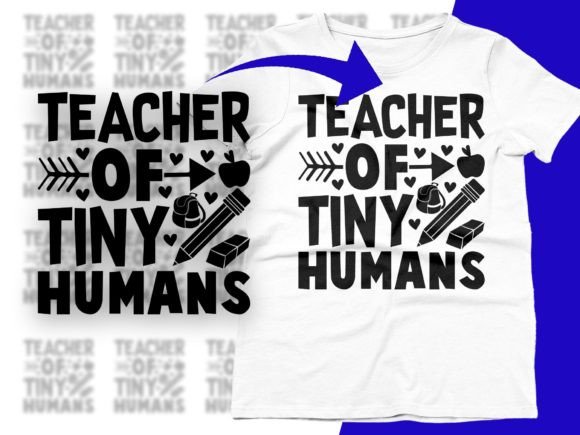
When I first opened the 'Teacher of Tiny Humans' SVG, I smiled. It wasn't just the charming title, which is a perfect, affectionate nod to preschool educators. It was the overall vibe. This design feels friendly, proud, and slightly whimsical, without being overly cute. It has a strong, clear personality that translates instantly from the screen to the mental image of a stitched project. As a designer who regularly evaluates files for real client work, my first thought was: this has excellent gift and merchandise potential.
The Design's Natural Habitat: Where It Stitches Up Best
The theme and layout make it exceptionally versatile. The wording is the hero, and that means your embroidery project choices are wide open. I immediately pictured it on a cozy, washed-cotton tote bag for a teacher—a practical, daily-use item that carries a heartfelt message. It would also be a standout on the cuff or back of a sweatshirt, making a soft, personal statement. For baby items, like a little denim jacket or a linen bib for a teacher's new child, it adds that personalized, 'made-just-for-you' touch that elevates a simple gift.
Thinking like a small business owner, this design is a reliable asset for a craft fair table or Etsy shop. It's universally understood and appreciated. Embroidered onto a high-quality tea towel or a classic canvas apron, it becomes a boutique-ready product with immediate appeal. The design doesn't fight for attention; it simply states its purpose with warmth, which is exactly what you want for commercial embroidery projects aimed at a specific, passionate audience.
Considering the Stitch: Practical Performance Notes
For real-life embroidery, the clean typography and uncluttered layout are a major advantage. You won't be battling tiny, intricate details that can blur or pucker. This means it performs well on a variety of fabrics. On stable, medium-weight materials like cotton twill (for tote bags), fleece (for sweatshirts), or linen (for kitchen towels), you'll achieve crisp, clean satin stitches or fill stitches for the lettering with minimal fuss.
However, as with any text-based design, there are places to proceed with caution. On very textured fabrics, like a slub knit or a loose-weave blanket, the clarity of small lettering can soften. On stretchy fabrics, like a standard t-shirt, a robust stabilizer is non-negotious to prevent distortion. Embroidering on curved surfaces, like the front of a cap, requires careful hooping and possibly a slight reduction in overall size to maintain the shape's integrity. The design's strength is its simplicity, but that simplicity depends on clear stitching—so fabric choice and preparation are key.
Where It Might Need a Designer's Extra Care
If you're planning to scale this down for a very small hoop size—perhaps for a tiny patch on a baby's romper or a delicate corner on a pillow—test it first on scrap fabric. Ensure the narrower parts of the lettering don't become too dense or merge together. Conversely, scaling it up very large for a statement piece on a blanket is generally safe, but watch the stitch density; you might need to adjust settings to avoid a overly heavy, stiff feel on a pliable fabric.
Dark fabric backgrounds require thoughtful thread color selection. A classic white or a bright, cheerful yellow would pop beautifully, but always run a test stitch to check contrast and readability. The 'Teacher of Tiny Humans' design thrives on contrast and clarity. Its value as a handmade product or personalized gift is tied directly to that professional, clean finish.
The Impact on Your Project's Appeal and Value
From a customer's perspective, a well-executed embroidery of this design speaks to care and recognition. It feels professional but personal. For a creative entrepreneur, it builds customer trust because the final product looks intentional and high-quality. It's highly giftable because the message is specific yet broad—perfect for teacher appreciation week, end-of-year gifts, or a welcome present for a new preschool teacher. This specificity actually boosts buyer engagement; people searching for 'teacher gifts' will immediately connect with it.
For brand consistency, if your small shop focuses on educator-themed items or heartfelt sentiments, this embroidery file can become a core part of your lineup. It complements other designs without conflicting, allowing you to build a cohesive collection.
A Designer's Final Checklist Before You Hoop
Before you commit this to a final project, especially for client work or items you plan to sell, do these quick practical checks. First, always stitch it out on a scrap of your intended fabric. This reveals everything: how the thread colors interact, whether the stitch density is appropriate, and if any small details need attention.
Review it in both light and dark fabric mockups, even simple digital black and white previews, to gauge its versatility. Confirm your hoop size can accommodate the design at the scale you want, ensuring the borders are clean. Use the proper stabilizer for your fabric type—this is crucial for maintaining the design's clean lines on apparel or stretchy materials.
Finally, and this is vital for commercial use, confirm the licensing terms for the 'Teacher of Tiny Humans' SVG file. The product description indicates it's for creating items, which typically implies personal and commercial use for finished products, but always verify this before selling embroidered goods or digital product previews. Your professionalism as a maker depends on this due diligence.
In essence, the 'Teacher of Tiny Humans' design is a robust, emotionally resonant tool for your embroidery toolkit. It's a designer-friendly file that, with standard care and preparation, translates into finished products that look great, feel meaningful, and satisfy both the maker and the recipient. It’s the kind of graphics asset that does its job quietly and well, making your creative job that much easier.