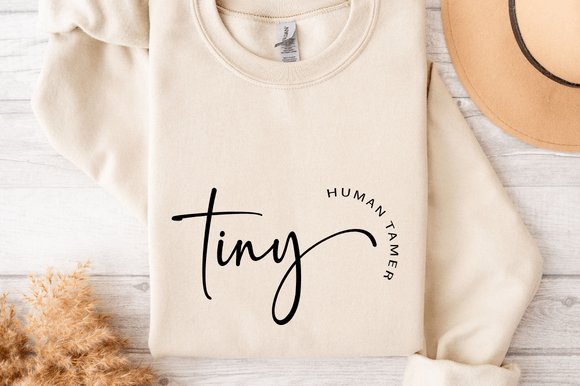
Tiny Human Tamer Teacher: A Designer's Real-World Review
As someone who both creates embroidery files and puts them to work on actual projects for clients and my own small shop, I always approach a new design with a practical eye. Today, I'm considering the Tiny Human Tamer Teacher SVG file, thinking through how it would translate from a digital graphic into a stitched, tangible product.
First Impressions: Humor That Stitches Well
The title alone sets a tone: playful, relatable, and a little bit cheeky. This isn't a formal, ornate piece; it's a conversational design. The visual personality feels friendly and humorous, perfect for creating a connection. For embroidery, this means the design should carry that mood through its stitches—it needs to look approachable and crisp, not overly complicated or stiff.
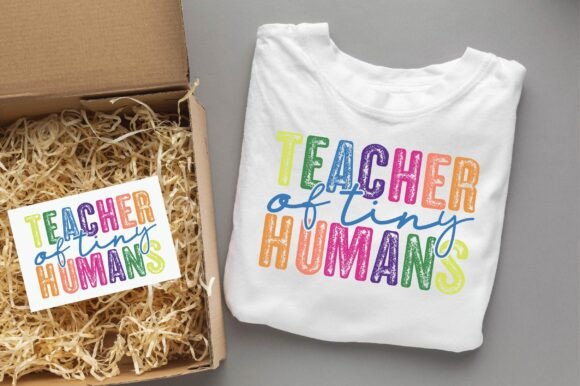
The layout and detail level implied by the title suggest a design that would work well as a focal point, not a tiny accent. I imagine it belonging on items where the message is the star: a custom embroidered tote bag for a teacher, a cozy sweatshirt for an educator friend, or a baby item like a bib or blanket for a teacher-parent. It has that gift-ready quality.
Where This Design Thrives in Real Projects
Let's walk through a scenario. I'm preparing a custom embroidered patch for a client who wants to surprise a retiring kindergarten teacher. The Tiny Human Tamer Teacher design comes to mind immediately. Its theme is a perfect fit. On a sturdy cotton patch, the humor would stitch out cleanly, and it could be applied to a pillow cover, an apron, or framed as a keepsake.
More broadly, this embroidery file feels destined for personalized gifts and small business merchandise. Think about craft fair products or Etsy listings for teacher appreciation week. It would excel on:
- Custom apparel like t-shirts and hoodies.
- Home goods like kitchen towels or pillow covers.
- Tote bags and other personalized products.
- Even baby clothes for those "teacher mom" or "teacher dad" moments.
The key here is the product's story. This design adds a narrative, which boosts customer engagement and the perceived product value of your handmade item.
Navigating the Practical Stitching Considerations
While the theme is strong, a designer's job is to foresee execution challenges. Not every file is ideal for every surface.
Based on typical characteristics of such graphics, here are areas to approach with care:
- Small hoop sizes: If the design has intricate details or tiny lettering (which "Tiny Human Tamer" might imply), a very small hoop could compromise stitching clarity. Test it on scrap fabric first.
- Textured or stretchy fabrics: On a thin tee or a stretchy cap, dense stitch density might cause puckering. A good stabilizer is non-negotiable.
- Dark fabric backgrounds: The humor relies on readability. If stitching on dark fabric, carefully select thread colors for maximum contrast. I'd recommend creating a black and white mockup to check the silhouette's strength.
- Curved surfaces: Embroidering this on a cap requires careful hooping and potentially simplifying very dense areas to maintain the design's integrity.
These considerations directly affect customer trust and your professionalism. A poorly executed design, even with a great concept, can look unrefined.
How the Design Impacts Your Craft Business
Using a design like this isn't just about making one item; it's about building your brand consistency and giftability. For a craft business focusing on humorous or educator-themed products, this embroidery design could become a staple. It offers recognition—customers looking for teacher gifts might remember your shop.
For digital product sellers, this file serves as a versatile design asset. It can be used in printable mockups to showcase potential finished products, from mugs to signs, as the product description suggests. This versatility is a commercial strength.
Essential Designer Notes Before You Hoop
Before you run this machine embroidery design for a client project or your next holiday embroidery batch, here's my practical checklist:
- Always test the design on scrap fabric matching your final project's weight and texture.
- Review stitch density in your software. High-density areas might need adjustment for lighter fabrics.
- Confirm hoop size suitability. Does the design need a larger hoop to preserve detail?
- Inspect small details. Any tiny elements might be better rendered as a simplified satin stitch rather than a complex fill stitch.
- Compare light and dark fabric backgrounds in your mind or mockup. Plan your thread palette accordingly.
- For any commercial embroidery or selling finished items, confirm licensing before use. The description notes broad use, but always verify the specific terms for your small shop product.
Remember, the goal is to make the Tiny Human Tamer Teacher concept shine through the quality of your stitches. A well-executed embroidery job turns a funny graphic into a cherished, durable personalized gift or a standout piece of boutique branding.
The Final Take: A Design Built for Connection
In my view, the Tiny Human Tamer Teacher SVG is less about technical complexity and more about emotional resonance. Its value lies in its perfect fit for a specific, appreciative audience. As an embroidery project, it asks for thoughtful execution on suitable products to maximize its humorous appeal.
Whether you're an Etsy seller stocking up for teacher appreciation season, a hobbyist making a heartfelt gift, or an apparel decorator adding to your catalog, this design offers a clear path to a product people will understand and enjoy instantly. That's a practical advantage you can stitch into reality.