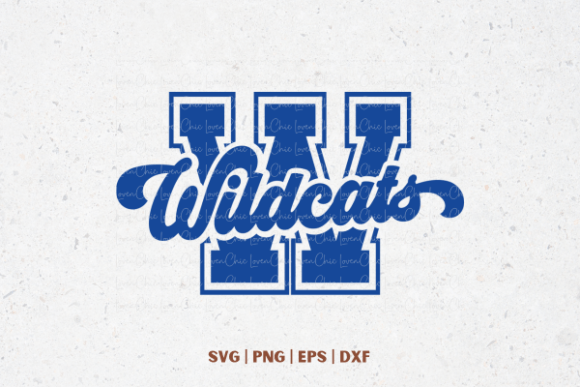
Wildcats: A Design for Bold & Spirited Projects
When a digital embroidery design lands in your inbox, your first job as a professional isn't just to open it—it's to envision it stitched. How will those lines translate into thread? What kind of project will it elevate? I’m looking at the ‘Wildcats’ graphic with that exact mindset: ready to judge its real-world potential for client work, shop merchandise, and personalized gifts.
The First Impression: Raw Energy & Graphic Confidence
‘Wildcats’ hits you with a distinct mood. The name alone suggests strength, independence, and a touch of untamed spirit. The design itself, based on the provided 1000 x 1000 workspace and high-resolution formats, promises a graphic, clean aesthetic. This isn’t a soft, whimsical illustration; it feels bold and assertive. For an embroidery designer, that tells me immediately where this belongs: projects that need a statement piece. Think of a custom embroidered sweatshirt for a sports team, a tote bag for someone with a fierce personal style, or a bold patch on a denim jacket. The visual personality is confident, making it perfect for products targeting customers who want their apparel to speak loudly.
Where Wildcats Shines in Real Stitched Form
Let’s walk through a real scenario. I’m preparing a limited run of embroidered tote bags for a small boutique. They want something unique, graphic, and not overly floral or cute. ‘Wildcats’ immediately comes to mind. The clean lines and likely solid shapes (inferred from the SVG and DXF formats) mean it will translate well into satin stitch borders and fill stitch areas, creating a crisp, professional look on the bag’s cotton canvas. The 300 DPI resolution assures me the details will be sharp when scaled for the bag’s sizable front panel.
This design isn’t just for tote bags. Its graphic nature makes it a strong candidate for:
- Custom Apparel: Center chest designs on adult t-shirts or sweatshirts, where its boldness stands out.
- Embroidered Caps: The layout likely works well on the curved, structured surface of a cap front.
- Baby & Nursery Items: On a baby blanket or knit sweater, it creates a cool, modern personality instead of a traditional cute one.
- Home Goods: Pillow covers or kitchen towels with a ‘Wildcats’ emblem add a spirited, personal touch.
- Commercial Embroidery: For a small business selling handmade merchandise, this design adds value through its strong brand-like feel.
The inclusion of multiple file formats—SVG, PNG, EPS, DXF—is a practical win. It means I can easily create printable mockups for my Etsy listings using the PNG, while the vector files ensure clean scaling for my embroidery machine software, regardless of final hoop size.
Considerations for Stitching Success
While ‘Wildcats’ has exciting potential, a professional knows to assess its demands. A design with this much graphic confidence often relies on clear edges and distinct areas. Here’s where practical judgment comes in:
- Small Details & Hoop Size: If the design has intricate corners or tiny interior elements, I’ll need to test it on scrap fabric first. Running it at a very small hoop size on, say, a baby item’s sleeve might lose clarity. Always stitch a test.
- Fabric Choice: On highly textured fabrics like some sweaters, or on thin, stretchy jersey for t-shirts, stabilizer choice becomes critical to prevent puckering and maintain those clean lines.
- Dark Fabric Backgrounds: A bold design often pops on dark fabric. I’ll plan my thread color palette carefully for maximum contrast. A quick black and white mockup in my software helps visualize stitch density and light/dark areas.
- Stitch Density: Without knowing the exact stitch count, I’ll be mindful. Dense fill areas on lightweight fabrics can be problematic. My test run will reveal if any sections need adjustment for the specific project.
How This Design Elevates Your Finished Product
Using a design like ‘Wildcats’ isn’t just about stitching a pattern; it’s about crafting a product with enhanced appeal. When I stitch this onto a premium sweatshirt, the graphic’s boldness increases the perceived value. It feels custom-designed, not generic. For a customer, that builds trust in your handmade presentation.
If you’re a creative entrepreneur selling finished items, this design aids brand consistency if it aligns with your shop’s aesthetic—think a store specializing in bold, nature-inspired, or athletic-themed goods. As a personalized gift, an embroidered ‘Wildcats’ pillow or apron has immediate recognition and personality, boosting its giftability.
Most importantly, the professional result—clean edges, good contrast, appropriate sizing—directly impacts buyer engagement. A well-executed, spirited design makes people stop and look at your craft fair table or your Etsy listing.
A Designer’s Final Notes Before You Hoop It
Before you load this embroidery file and start your project, make these your final checks:
- Always, always stitch a test sample on a scrap of your actual project fabric. This reveals everything about thread tension, stabilizer need, and detail clarity.
- Audit the small details. Zoom in on the design in your software. Are there any miniscule lines or corners that might vanish or become problematic when stitched?
- Confirm your hoop size can accommodate the design at your desired scale for the final product.
- Check thread color contrast. Plan your palette for both light and dark background applications.
- Crucially: The product description states “DIGITAL CLIPART CAN BE USED F”. You must confirm the full licensing terms before using this for commercial projects or selling finished items. Understand your rights regarding the embroidery file and its derivative products.
‘Wildcats’ is a design that brings energy to your embroidery project portfolio. With its graphic strength and versatile file formats, it’s ready to become a standout element on apparel, home goods, and personalized gifts. Approach it with a professional’s practical eye—test thoroughly, plan for your fabric, and stitch with confidence. The result will be a finished product that carries all the bold, spirited intent of the design itself.