The Book Gnome Svg: A Designer’s Take for Real Projects
As a designer who stitches for clients and my own shop, I always look at a file with a practical eye. How will it actually sew out? What will it feel like on a finished product? When I first opened the Book Gnome Svg Teacher Svg, the immediate impression was charming and storybook-ready. It’s a cozy, literate little character with a clear, friendly personality. That’s a powerful starting point for any embroidery project.
A Mood That Sells Before the First Stitch
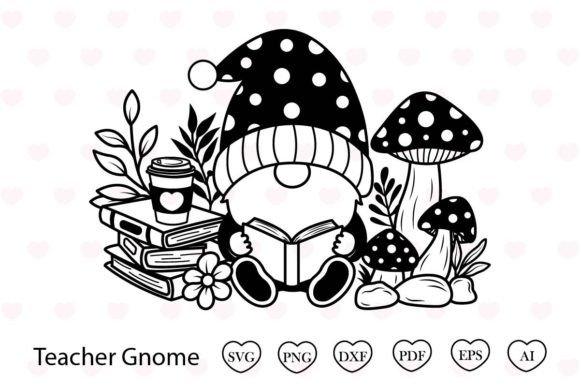
The composition is straightforward—a gnome nestled with a book, anchored by a simple mushroom. It’s not overly detailed, which is a strength. In embroidery, excessive fine lines can blur or pucker. This design’s shapes are well-defined, suggesting it will translate cleanly into satin stitches and fills. The theme, obviously, is literary and educational, but it carries a warmth that extends beyond just teacher gifts. It feels nostalgic, thoughtful, and slightly magical. That mood is what customers connect with, whether they’re buying a personalized gift or shopping for their craft business inventory.
Where This Gnome Finds Its Home
I immediately pictured this on a tote bag. A mid-weight canvas tote with this gnome embroidered on the front would be a fantastic product for an Etsy seller or boutique. The design’s size and balance would sit nicely on that flat surface. But my mind kept going. A small, simplified version on the corner of a baby blanket or a nursery pillow cover? Absolutely. It’s gentle enough for baby embroidery. On a sweatshirt, positioned on the left chest, it becomes a statement of personality. I even considered it as a standalone embroidered patch, which could be applied to anything from a backpack to an apron. Its versatility is its first major asset.
The Practical Stitch-Out: What to Watch For
Moving from idea to machine, here’s where a designer’s experience matters. For custom apparel like t-shirts or stretchy fabrics, you’ll need to be mindful. The gnome’s hat and the book have areas that could become dense if the fill stitch settings are too heavy. On thin or stretchy fabric, that density might cause pulling or distortion. A good stabilizer is non-optional here. For dark fabric backgrounds, thread color contrast is critical. The design relies on clear shape separation; using a light, bright thread on a dark navy sweatshirt will make it pop, but using similar tones might lose the mushroom’s definition.
Thinking about small hoop sizes for caps or baby items, the entire design might need to be scaled down considerably. At very small sizes, the book text and the gnome’s facial details could become too fine for a clean stitch-out. It’s wise to test a scaled version on scrap fabric first. On curved surfaces like caps, the larger, rounded elements like the gnome’s body should adapt well, but those detailed corners on the book might require careful hooping and stabilization.
A Real Scenario: The Teacher Appreciation Tote
Let’s walk through a real case. Imagine you’re preparing a batch of custom embroidered tote bags for a teacher appreciation week sale at your small shop. You choose a natural cotton canvas bag. You hoop it, load the Book Gnome Svg Teacher Svg file, and select a palette of earthy greens, browns, and a pop of red for the mushroom. The stitch-out begins. The clean outlines come first, and you notice the paths are smooth—no jagged corners that might cause thread breaks. The fill stitches for the gnome’s coat lay down evenly without excessive jumps. The final product looks handcrafted but professional, exactly the aesthetic that builds customer trust and enhances your brand consistency. A buyer sees it and immediately understands the gift’s intent. That’s the visual appeal and giftability this design unlocks.
Designer Notes for a Smooth Process
Before you commit this to a final product, run through these practical checks. Always test on a scrap of your intended fabric first. This reveals any issues with stitch density or thread tension. Check your thread color choices against both light and dark background mockups; sometimes a digital preview looks different than stitched reality. Inspect the small details in the file—are there any tiny, closed-off spaces that might not sew cleanly? Confirm your hoop size can accommodate the design at the scale you want. And crucially, for any commercial embroidery or selling finished items, verify the licensing terms of the file. While the description notes it’s a digital file for cutting machines, ensure its use extends to machine embroidery and commercial finished products if that’s your goal.
Where Its Value Really Shines
This isn’t a design for every product. It wouldn’t work well on a heavily textured fabric where detail gets lost, or on a product needing frequent, harsh washing where delicate elements might wear. But for the right project, it elevates the product. On a holiday gift like a tea towel or pillow cover, it adds a bespoke, handmade presentation. For an Etsy seller, it creates a recognizable, professional-looking item that stands out in listings. As a digital embroidery file asset, it’s a solid foundation for creating printable mockups or previews for your customers. Its clarity and theme directly support buyer engagement—people know what it is and what it represents instantly.
In the end, the Book Gnome Svg Teacher Svg feels like a reliable, well-conceived graphic. It’s not flashy, but it’s effective. It has the personality to connect with an audience and the structural simplicity to perform well under the needle. For designers and makers building a craft business, that combination—emotional appeal and technical viability—is exactly what turns a digital file into a beloved finished product.