Still I Love It: Kindergarten Embroidery Evaluation
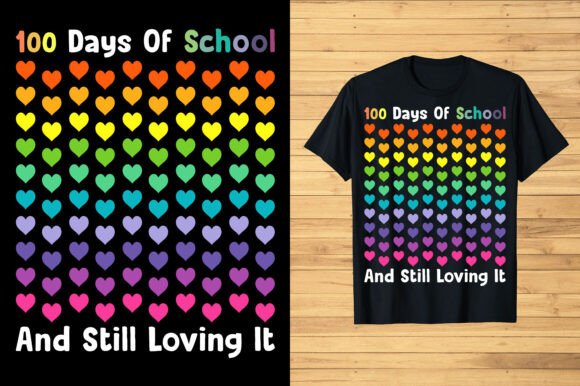
When a design like the Still I Love It Kindergarten T-Shirt design comes across my screen, my first reaction isn’t just to look at it—it’s to picture it stitched. I imagine it on a real fabric, held in a hoop, with thread bringing those lines to life. This evaluation is from that perspective: a practical look at how this design functions as an embroidery file for real-world projects.
The Immediate Mood & Where It Belongs
The first impression here is pure, sweet nostalgia. It’s not a loud or cartoonish kindergarten theme; the layout and feel suggest a gentle, heartfelt message. The “Still I Love It” phrasing paired with “Kindergarten” creates a sentimental vibe perfect for commemorative items. This isn’t a design I’d throw onto just any product. It naturally belongs on gifts meant to mark a moment.
I picture it embroidered on a soft cotton pillow cover for a child’s room, or delicately stitched onto a keepsake blanket. It has the visual personality of a cherished memento, which immediately guides my project planning. For small business owners or crafters, this means it’s a design you’ll likely use for personalized, gift-oriented products rather than everyday apparel.
A Real-Life Embroidery Scenario: The Custom Tote Bag
Let’s walk through a concrete example. Imagine you’re preparing a custom embroidered tote bag for a client whose child just finished kindergarten. You’ve selected a sturdy, natural canvas fabric. You pull up the Still I Love It Kindergarten design file.
My professional judgment here focuses on stitch clarity and visual appeal. The design’s success will hinge on how cleanly the details—likely the lettering and any accompanying simple graphics—translate into stitches. On a textured fabric like canvas, a design with too fine detail can get lost. The description notes provided file types (AI, EPS, PNG) are for print, which tells me we’re working from a vector graphic. For embroidery, that’s a good start for clean outlines, but the critical step is how it’s digitized for your machine. You must check the final embroidery file’s stitch density and the integrity of small elements before hooping anything.
Where This Design Excels in Application
Given its sentimental theme, the Still I Love It Kindergarten design shines when applied to products that emphasize that giftability and handmade presentation.
- Keepsake Items: Embroidered pillow covers, nursery decor wall hangings, or framed patches.
- Personalized Baby & Children’s Apparel: On the corner of a sweatshirt or a baby onesie, where the scale can be modest and sweet.
- Boutique Kitchen & Home Goods: A simple embroidery on a tea towel or apron as a heartfelt gift from a grandparent.
- Small Shop Merchandise: For an Etsy seller specializing in commemorative gifts, this design adds a product line for kindergarten graduation season.
The value here for craft business owners is in filling a specific, emotional niche. It’s not a generic logo; it’s a design that tells a story, which can enhance customer trust and engagement when presented well.
Careful Considerations for Stitching Success
No design is universally perfect, and a realistic review must highlight where to proceed with caution. Based on common embroidery challenges, here’s where I’d be careful with this design.
First, tiny lettering. The phrase “Kindergarten” is not particularly long, but if the design is scaled down significantly for a small hoop size—like for a cap or a baby item—the clarity of that text under a satin stitch or fill stitch must be tested. Always run a test on scrap fabric of the same type you plan to use.
Second, background fabric choice. This design, with its likely positive, light-colored elements (as inferred from its nostalgic mood), might require more attention on dark fabrics. Thread color contrast is paramount. You might need to opt for a lighter, brighter thread palette to maintain its gentle feel on a navy sweatshirt or black tote.
Third, the product’s end use. Items like baby clothes or kitchen towels that need frequent washing require robust stitching. If the design has areas of high stitch density, they can feel stiff and may wear differently. Inspect the digitized file’s stitch structure and use the proper stabilizer for the fabric—especially stretchy or thin fabrics where puckering could distort the sentimental message.
Practical Designer Notes Before You Hoop
- Test First. Always stitch the design on a scrap of your target fabric. This reveals issues with tension, density, and small detail integrity.
- Check Color Contrast. View the design in a black and white mockup to judge contrast levels. Plan your thread colors for both light and dark fabric backgrounds.
- Confirm Scale & Hoop Size. Ensure the design fits comfortably in your planned hoop without forcing excessive scaling. Distorting the layout can ruin its balanced feel.
- Review Licensing. The product description mentions it’s ready for creating products. As a commercial embroidery professional or Etsy seller, you must confirm the specific licensing terms for the finished items or digital products you intend to sell.
- Consider the Final Product. How will it look after stitching? Will it appear professional and clean on a curved surface like a cap? For a flat surface like a pillow, it’s often safer.
The Impact on Your Craft Business & Projects
Using a design like this isn’t just about executing an embroidery project; it’s about choosing a design asset that aligns with your brand and your customer’s heart. For a creative entrepreneur, it offers a ready-made theme for a seasonal or sentimental product line. It can bolster your brand consistency if you specialize in family-oriented, commemorative gifts.
The finished product embroidered with this design, when done well, communicates care and quality. It turns a simple tote or pillow into a personalized gift with recognized emotional value. That directly affects buyer engagement—customers are drawn to products that resonate personally.
In my experience, designs with such a clear, warm theme can become reliable staples for holiday gifts, wedding gifts for teachers, or small shop merchandise around school milestones. They’re more than just T-Shirt Designs or Graphics; they become a tangible part of someone’s memory, which is, ultimately, the best reward for the handmade craft.