How This Graduation Design Translates to Embroidery
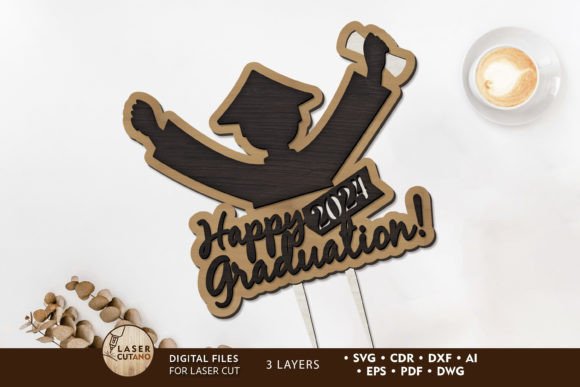
When you open Happy 2024 Graduation Decor Template, the first thing you notice is the celebratory clarity. It’s a classic layout, clean and focused, built around a central year marker. This isn’t a fussy, overly detailed pattern; it’s a statement piece. The mood is straightforwardly triumphant and personal, which is exactly what you want for a graduation-themed embroidery project. It feels built for customization—a framework waiting for a name, a school, or a personal touch to make it complete.
The Natural Fit for Stitched Products
Imagine you have a client who wants a custom embroidered tote bag for their graduating niece. This design template is your starting point. Its bold, clear shapes mean it won’t get lost on a larger surface like a bag panel. The layout lends itself beautifully to being the focal point on a sweatshirt or the proud emblem on a baby item like a keepsake blanket. I’ve used similar thematic designs for pillow covers and aprons as gifts, and the reaction is always strong—it’s instantly recognizable and feels professionally made, not handmade in a rushed way.
For small business merchandise, think about Etsy listings for custom embroidered patches. This design, stitched out and applied to a cap, becomes a premium product. Its simplicity is its strength for craft fair products and boutique branding; it looks clean in digital product previews and translates reliably into a real, stitched item. For apparel decorators, it’s a safe bet for a personalized gift that won’t disappoint.
Where the Design Excels and Where to Be Cautious
On stable, medium-weight fabrics like cotton twill for tote bags or standard sweatshirt fleece, this design will perform beautifully. The likely stitch density in the main elements should provide good coverage and visual pop. Using proper stabilizer is, as always, non-negotiable to maintain that sharpness.
However, approach with care on certain surfaces. If adapting it for a curved surface like a cap, the scale needs to be checked—tiny lettering or intricate corners could lose clarity. On very textured fabrics or thin fabric like a lightweight tee, the fill stitch areas might need a lighter density setting to prevent puckering. Dark fabric requires thoughtful thread color contrast planning; a simple black-and-white mockup test beforehand is a wise step. For products destined for frequent washing, like kitchen towels, ensure the stitch structure is robust enough to withstand it.
Practical Notes Before You Hoop the Fabric
- Always test the design on scrap fabric first. Use the same material and stabilizer combination as your final project.
- Check the effective hoop size required. Don’t assume it fits your smallest hoop; verify the dimensions.
- Inspect the file for any small details that might become a single thread width—these can vanish on certain fabrics.
- Compare how it looks in a light and dark background printable mockup. This helps plan thread palettes.
- If you intend to sell the finished product or use it in commercial embroidery, confirm the licensing terms of the digital file before starting any production.
Why This Template Builds Trust and Value
From a reviewer’s perspective, the real value of Happy 2024 Graduation Decor Template for embroidery lies in its reliability. When a customer sees a graduation sweatshirt with this design stitched out cleanly, with good stitching clarity and no technical flaws, it builds immediate customer trust. It elevates your work from a hobby craft to a professional handmade product. For the creative entrepreneur, this consistency supports brand consistency—every graduation item you make has a coherent, quality look.
The visual appeal is direct and emotional, which boosts giftability and buyer engagement. It’s a design people understand and want immediately. In a crowded market of digital design assets, a template that translates so straightforwardly into a strong finished product is a genuine asset for your craft business.
A Final Real-World Consideration
Remember, while the product category here mentions Cake Toppers and Laser Cutting, our use is for embroidery. This means we’re interpreting the layout as an embroidery file. The layers and outlines present are perfect guides for potential applique design techniques using satin stitch borders or as a base for fill stitch areas. Think of it as a versatile blueprint. Your final embroidery project success hinges on your skill to adapt it for the needle and thread, using your knowledge of fabric texture, running stitch details, and machine settings to bring this celebratory 2024 template to life in thread.