From Chaos to Comfort: Embroidery Design Review
A First Look: Fun, Frazzled, and Perfectly Brewed
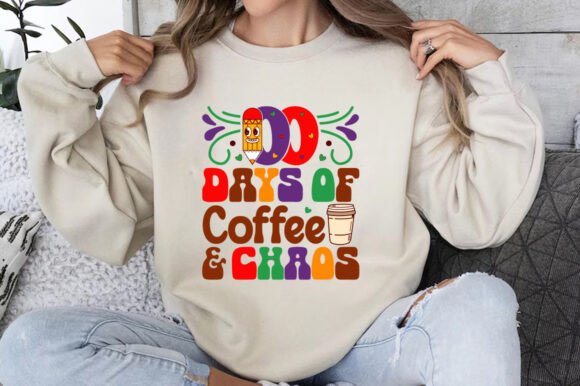
When I first opened the 100 Days of Coffee Chaos PNG, the theme struck me immediately. It’s playful, relatable, and taps into that collective feeling of caffeine-fueled perseverance. The design’s personality feels witty and a bit worn-out, a wonderful balance for a humorous gift or a piece of merchandise for the “just getting through it” crowd. As a designer, I appreciate when a graphic doesn’t just sit there—it tells a story, and this one does.
The Design’s Natural Habitat: Where Does This Belong?
This isn’t a delicate, formal piece. It’s conversational. My mind instantly went to comfortable, everyday items. A well-loved sweatshirt, a durable canvas tote bag for the daily grind, or a cozy kitchen towel for the coffee station. It would make a fantastic embroidered patch, applied to a laptop bag or a denim jacket. For small business owners, think about products that celebrate the mundane triumphs: aprons for home bakers, pillow covers for a reading nook, or simple tea towels as a quick-turnaround craft fair item. The mood is casual, making it ideal for personalized gifts for teachers, students, or anyone facing a long haul.
Stitching It Out: Practical Performance on Real Projects
I mentally ran this through several real-life scenarios I encounter weekly. For a client wanting a custom embroidered tote bag, the design’s bold, clear elements would stitch out cleanly, offering good visual impact even from a distance. On a sweatshirt embroidery project, the theme aligns perfectly with the garment’s purpose—comfort and casual wear. I considered it for a baby item, like a blanket for a parent, and while the wording is adult-focused, the playful chaos could work on a nursery decor piece for a coffee-loving family.
Its viability as a patch is high. The design’s layout seems conducive to being contained within a standard hoop size for patch creation, and then applied to caps or bags. For holiday gifts, like a last-minute embroidered pillow cover for a colleague, it’s a quick win. The value for Etsy sellers or craft business owners is in its recognizability; it’s a sentiment that sells because it’s real.
Caution Zones: Where to Proceed Carefully
Not every design is universally adaptable. With any embroidery file, you must consider its limits. Here’s where I’d be cautious with 100 Days of Coffee Chaos PNG. If the design contains very small lettering or intricate details, stitching it onto thin fabric or stretchy fabric without proper stabilizer could be problematic. Dark fabric would require careful thread color selection for contrast. On curved surfaces like caps, the layout’s width might need adjustment to fit comfortably without distorting.
Textured fabrics, like some blankets, can swallow detail. If the PNG suggests very dense stitch density in areas, that could lead to puckering on lightweight apparel. And for items needing frequent washing, like kitchen towels, you’d want to ensure the stitch structure is robust enough to hold up. This isn’t a fault of the design—it’s simply the practical lens any experienced embroiderer applies.
Impact Beyond the Stitches: Value, Appeal, and Trust
A good design elevates the final product. This one adds a layer of human connection. Its visual appeal is in its honesty, which boosts the perceived value of a handmade product. For a customer, seeing this on a gift creates instant recognition and a smile—that’s powerful for buyer engagement. For a creative entrepreneur, using it consistently across a line of small shop merchandise—totes, shirts, aprons—can build a relatable brand consistency. It feels professional because it’s well-targeted, not generic.
The giftability is high. It’s specific enough to feel thoughtful but broad enough to resonate with many. In a printable mockup for your digital product listings, it would show clearly, helping potential buyers visualize it on their own projects. That builds customer trust before they even purchase the digital embroidery file.
A Designer’s Practical Notes Before You Hoop
Before you run this on your machine for a commercial embroidery project or a personal gift, here’s my standard checklist. Always test the design on scrap fabric first. Use the same fabric and stabilizer combination as your final project. This reveals any issues with stitch clarity or density.
- Check thread color contrast against both light and dark backgrounds. A quick black and white mockup can help assess value contrast.
- Review the design’s detail level at your intended size. Can your hoop size accommodate it, and will tiny elements remain clear?
- Confirm the licensing. The description mentions “Trademarks And Copyright Free,” but as a professional, I always advise: confirm licensing before selling finished items or digital products. Ensure your use aligns with the terms.
- Remember, a PNG image is a graphic, not a stitch file. You or your digitizer will need to create the actual machine embroidery design file, considering satin stitch for borders, fill stitch for areas, and running stitch for details. The PNG is your visual blueprint.
The Final Verdict: A Design Built for Real Use
100 Days of Coffee Chaos PNG succeeds because it starts with a solid, relatable concept. It’s not just a graphic; it’s a starting point for a wide range of embroidery projects that connect with people on a simple, emotional level. From custom apparel to boutique branding, its strength is in its application. Approach it with a practical eye for fabric, size, and stitch execution, and it will translate beautifully into a finished product that feels both handmade and perfectly apt. For the maker looking for a design with character and clear commercial potential, this is a compelling asset.