A Teacher's Day Embroidery Design Review for Real Projects
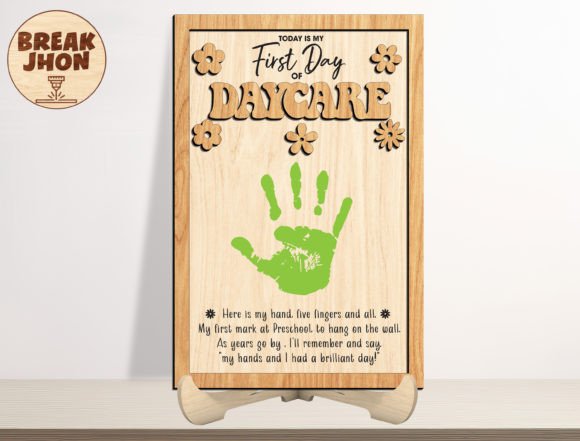
From my perspective as a designer who has to translate digital files into physical, stitchable reality, the Teacher's Day Stand Decor Cut File Svg presents an interesting starting point. The initial impression isn't about the technical formats listed—SVG, DXF, AI—but about the visual story it suggests. The name conjures an image: a standalone decorative piece, likely celebratory and meant for display. This is a design built for a moment, for gratitude.
The Design's Natural Habitat: Where This Embroidery Belongs
Immediately, I think of surfaces where a 'stand decor' motif would shine. A custom embroidered pillow cover for a teacher's lounge, an apron for that special classroom volunteer, or a neatly framed patch as a desk gift. The mood is appreciative and slightly formal, leaning towards a keepsake. For crafters and small shop owners, this isn't a casual everyday logo; it's a targeted gift product. Imagine a boutique offering personalized teacher gifts—this design, stitched onto a high-quality tea towel or a tote bag, instantly elevates the offering from generic to thoughtfully handmade.
From Digital File to Stitched Fabric: Practical Performance
In real-life embroidery, the success of any design hinges on its translation from screen to thread. Let's walk through a real scenario: you're an Etsy seller preparing a batch of custom embroidered sweatshirts for a school's Teacher Appreciation Week. You've purchased this Teacher's Day Stand Decor Cut File Svg. Before you even load the embroidery file, you're thinking about scale. On a sweatshirt, the design needs to be large enough to be legible and impactful on a textured fabric, but not so dense it becomes stiff and uncomfortable.
The detail level implied by 'decor' suggests some ornate elements. In embroidery, ornate can mean beautiful satin stitch borders or potentially tricky, tiny fill stitch areas. For a baby item or a lightweight cap, you'd need to be cautious—high stitch density on thin or stretchy fabric can lead to puckering. This design likely belongs best on stable fabrics: canvas tote bags, denim aprons, linen pillow covers, or the non-stretch panel of a cap. For dark fabric backgrounds, thread color contrast is paramount; a test stitch on scrap fabric is non-negotiable to ensure the intended celebratory feel isn't lost in poor contrast.
Where This Design Requires a Designer's Careful Hand
Any 'stand decor' concept with potential intricate corners or layered elements demands attention. If the design includes fine lettering within the composition, stitching it on a small hoop size could compromise clarity. Embroidering on curved surfaces like caps already presents a challenge; adding a detailed design requires excellent stabilizer choice and possibly reducing the overall scale. For products destined for frequent washing, like kitchen towels or baby blankets, you must review the stitch density and thread type to ensure longevity. A design that frays or loses shape after washes damages customer trust and your brand's reputation for quality.
Visual Appeal and Commercial Sense
When this embroidery design is executed well, it does more than decorate a fabric. It completes a product. On a simple tote bag, it transforms it into a specific, giftable item. For the creative entrepreneur, that specificity is gold. It allows for targeted Etsy listings, clear printable mockups, and products that resonate emotionally during holidays like Teacher's Day. The visual appeal directly impacts perceived value—a clean, well-stitched, appropriate design makes a handmade product feel professional. It engages buyers looking for that perfect, non-mass-produced gift.
However, the appeal is niche. This isn't a year-round bestseller for an apparel decorator; it's a seasonal asset. Its power is in its recognition and purpose. For digital product sellers offering the file itself, its commercial viability depends on how easily other makers can visualize its end use. Providing mockups on various products—aprons, pillow covers, patches—would be essential.
Essential Notes Before You Hoop This Design
My final thoughts, as if I'm preparing my machine for a test run: Always, always test the embroidery file on a scrap of your target fabric first. This reveals everything—the true stitch density, the behavior of small details, the need for potential thread color adjustments. Check how it looks in a simple black-and-white stitchout; sometimes color separation in the file can be misleading. Compare its appearance on light and dark fabric backgrounds digitally before committing.
Crucially, confirm the licensing terms provided with the digital download. The description mentions multiple file formats, which is excellent for versatility, but the license dictates your real-world use. Can you use this embroidery design for commercial embroidery projects, selling finished tote bags or sweatshirts in your small shop? Or is it for personal gifts only? Never assume. This step protects your craft business.
The Teacher's Day Stand Decor Cut File Svg, from a designer's practical viewpoint, is a specialized tool. It's not a universal brush but a fine chisel for a specific carving. Its success in your hands depends on pairing it with the right project, the right fabric, and a meticulous, professional approach to the embroidery process itself. When matched well, it can produce a finished product that feels both heartfelt and expertly made, which is exactly what the best handmade gifts are all about.