A Professional Review of the Chiefs Football Embroidery Design
When a design file named Chiefs Football lands in my project folder, my first question isn’t about the formats—it’s about the feel. What mood does this piece convey, and where does it naturally belong in the world of stitched products? As a designer who works with clients ranging from small boutiques to custom gift shops, I approach every new graphic with a practical eye: how will it look after the needle has done its work?
The Immediate Impact: Bold, Clean, and Recognizable
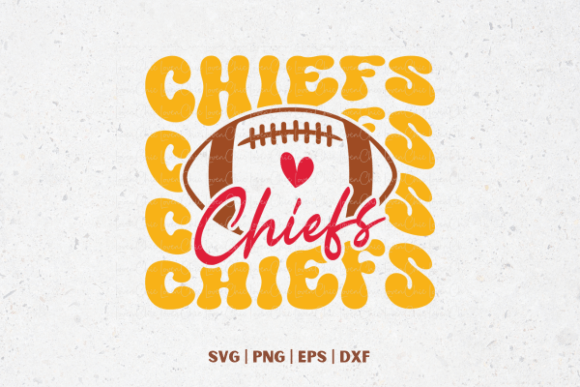
This Chiefs Football design creates a straightforward, confident mood. It’s a graphic meant for clear recognition, not subtle artistry. The layout suggests it’s built for impact, likely with solid shapes and clean lines that translate well into satin stitches and fill areas. For an embroidery designer, this is promising. It feels like a design that belongs on custom apparel meant for celebration, loyalty, or straightforward personalization—think a fan’s sweatshirt, a personalized tote for a game day, or a crisp patch on a cap.
The personality here is athletic and proud. This isn’t a delicate floral piece; it’s a statement graphic. That tells me it would pair beautifully with robust fabrics: cotton twill for caps, mid-weight fleece for hoodies, or sturdy canvas for tote bags. It’s the kind of design a customer points to and says, “I want that on my grandson’s jacket,” or that an Etsy seller uses to create a simple, popular line of fan merchandise.
Where This Design Excels in Real Projects
Let’s walk through a real scenario. I’m preparing a custom order for a client who wants embroidered gifts for a family of Chiefs fans. The request is for a set: a dad’s cap, a teen’s sweatshirt, and a baby’s blanket. I open the Chiefs Football file and start visualizing.
On the cap, a well-digitized version of this graphic, using the provided vector files like the SVG or EPS as a foundation, should stitch cleanly on the curved panel. The bold shapes are key—small, fussy details can get lost on curved surfaces, but a clear football motif should hold its authority. For the sweatshirt, the scale matters. This design, given its described 1000 x 1000 workspace, likely allows for solid sizing up for a center-chest placement without losing integrity. A large, clean emblem on a black or red sweatshirt becomes a premium handmade product instantly.
The baby blanket is the interesting test. Here, the design’s clarity adds value. Stitched in soft, contrasting threads on a cotton blanket, it becomes a cherished gift—not just a logo, but a recognizable symbol of family tradition. This is where the design’s visual appeal directly boosts the product’s perceived value. It feels professional and intentional, which builds customer trust and makes the item giftable.
Careful Considerations for Stitching Success
However, no design is universally perfect. With a bold graphic like Chiefs Football, certain applications require a thoughtful approach.
If the design has very dense fill areas or extremely small lettering within the graphic (details I would need to inspect in the actual file), I’d be cautious on thin or stretchy fabrics like lightweight t-shirts. High stitch density can stress such fabrics. A proper stabilizer is non-negotiable here. Similarly, on textured fabrics like a woven towel or a cable-knit sweater, the clean lines might soften, so thread color contrast becomes paramount. Stitching it on a dark fabric? I’d always recommend a test on scrap material first to ensure the chosen thread palette pops.
For projects needing frequent washing—like kitchen aprons or team jerseys—the durability of the embroidery relies on sound technique. Using this design, I’d ensure stitch areas are consolidated and not overly intricate in corners, which can wear faster. The design’s strength—its boldness—is also its advantage here; a simpler, solid shape often withstands wear better than a complex, delicate one.
Practical Designer Notes Before You Hoop
- Always test the embroidery file on a scrap of your target fabric first. This reveals how the stitch density behaves and if any small details become unclear.
- Check thread color contrast against your background fabric. Does the design need bright highlights on dark material, or softer tones on light?
- Consider the final hoop size. Does the design’s scale fit your product’s available space comfortably? For a small baby item, you might need to size it down, so inspect the detail level at a smaller scale.
- Run a black-and-white mockup of the graphic. This helps you see the pure structure, separate from color excitement, and confirms the shapes are strong.
- Verify the licensing terms for your use. The description notes “digital clipart can be used,” but for commercial embroidery projects or selling finished products, confirm the specifics to protect your craft business.
How This Design Shapes Your Product’s Story
Ultimately, using the Chiefs Football design isn’t just about stitching a graphic; it’s about crafting a product with a clear identity. For a creative entrepreneur, this clarity is gold. It means your handmade presentation feels cohesive—a crisp, well-executed emblem on a high-quality apron instantly looks like boutique branding. For an Etsy seller, it creates a recognizable item that can anchor a series of listings, from printable mockups to finished embroidered patches.
It engages buyers because it speaks directly to a passion or identity. A customer looking for a Kansas City Chiefs gift isn’t browsing abstract art; they want this symbol. Your professional execution of their trusted symbol turns their click into a sale. In a craft fair booth, a tote bag featuring this design, embroidered with precision, attracts attention through its confident, familiar vibe.
So, as I evaluate this Chiefs Football design for real project use, my judgment is practical: it’s a strong candidate for a wide range of celebratory, personalized, and commercial embroidery projects where bold recognition is the goal. Its success hinges not on hype, but on the careful, tested application of fundamental embroidery skills—the very skills that transform a digital file into a cherished, tangible product.