A Practical Review: Here for Field Day 2024 Teacher SVG
As a designer who spends more time at an embroidery machine than a desk, I’m always evaluating digital files through a lens of real-world application. It’s not about how a design looks on a screen; it’s about how it stitches out on fabric, how it feels in a project, and how it resonates with a client or customer. Today, I’m putting the Here for Field Day 2024 Teacher SVG under that microscope.
First Impressions: Friendly, Clean, and Ready for Action
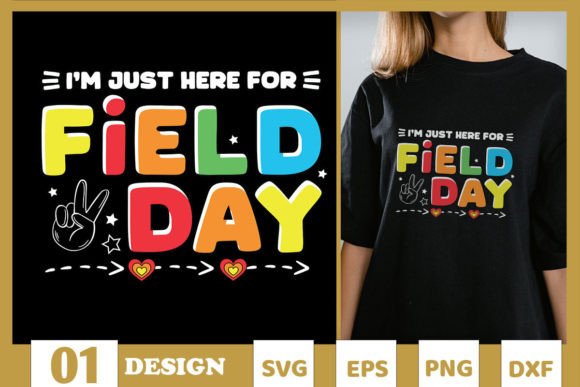
The initial mood of this design is unmistakably upbeat and supportive. It’s not overly flashy or sentimental; it has a clean, confident personality that feels both celebratory and professional. The layout, from what I can see in the provided files, appears straightforward—a statement centered around the event. This isn’t a design that will get lost in subtle details; its strength is in clear communication. It naturally belongs to a category of appreciation gifts, school spirit items, and personalized keepsakes.
My mind immediately goes to practical applications. This isn’t just a t-shirt design; it’s a sentiment. I picture it stitched onto a soft cotton sweatshirt for a teacher to wear on the actual field day, or applied as a crisp patch on a canvas tote bag they can use year-round. It would make a wonderful, personal touch on a classroom apron or a simple tea towel for a homemade gift basket. The theme is specific—2024 Field Day—which gives it a fantastic timelessness for that year, making it perfect for commemorative items.
Where This Design Excels in Real Projects
The promise of being pre-sized and ready-to-go is a significant advantage for busy makers. For a craft business or an Etsy seller preparing for the spring season, this efficiency matters. I can envision this embroidery file shining on several products.
On a heavyweight sweatshirt or hoodie, a clean satin stitch for the text would offer a polished, durable result. For a baby’s romper or a child’s t-shirt—a gift from a student’s family to a beloved teacher—using a lighter fill stitch would keep the fabric flexible and comfortable. As an embroidered patch, it could be applied to a backpack or a blanket, creating a versatile keepsake. The high-definition PNG with a transparent backdrop is a boon for creating printable mockups for your online shop, allowing customers to visualize the final handmade product easily.
For commercial embroidery projects, like a small batch of tote bags for a school fundraiser, the design’s clear layout suggests it would stitch out reliably and consistently, which is key for maintaining brand consistency and customer trust. The visual appeal is directly linked to its simplicity and intent—it feels professional and heartfelt, which increases the perceived value and giftability of any item it adorns.
Considerations for Stitching Success
While the design seems straightforward, a few careful considerations will ensure that perfect stitch-out. Always test the design on scrap fabric first. This is non-negotiable. Use the same fabric and stabilizer combination you plan for the final project.
Pay close attention to thread color contrast. On light fabrics, a classic navy or school color would be striking. On dark fabrics, you’ll need a bright, opaque thread to maintain clarity. The provided description mentions it’s pre-sized, but you must confirm the hoop size requirement with the actual SVG file in your software to ensure it fits your project dimensions.
For products needing frequent washing, like apparel or kitchen towels, reviewing the stitch density in your test run is crucial. Too dense an area on a t-shirt can make the fabric stiff; a balanced density will ensure longevity. Also, inspect any small details or corners in your test piece to ensure they translate well into stitches.
Where to Approach with Caution
Not every design is for every surface. The potential challenges with Here for Field Day 2024 Teacher SVG are typical of any text-centric design. On very small hoop sizes, the lettering might lose definition if the design isn’t scaled appropriately. Avoid using it on overly textured or stretchy fabrics without extensive testing and the correct stabilizer, as text can distort.
Embroidering onto curved surfaces like caps requires careful positioning; ensure the design’s layout fits the curved area without bending the message awkwardly. If the design incorporates tiny decorative accents, they might not stitch cleanly on thin fabrics like lightweight polo shirts. For dark fabric backgrounds, as mentioned, your thread choice and stabilizer are paramount to prevent a faint or muddy appearance.
When thinking of baby embroidery on delicate garments, always opt for a lighter stitch setting and soft backing to preserve the fabric’s gentle touch. For a craft fair product like a pillow cover, ensure the design size is appropriate for the item’s scale—it should feel balanced, not overwhelming or insignificant.
The Designer’s Notes for Your Project
Before loading this digital embroidery file, I recommend a simple but effective practice: test it in black and white mockups. View it on a light background and a dark background in your design software. This helps you visualize the final contrast without committing thread.
Always use proper stabilizer for your chosen fabric type; this is the foundation of a clean stitch-out. Crucially, check whether the design works for both personal and commercial projects. The description provided doesn’t specify licensing, so you must confirm licensing before selling finished items or digital products. This step protects your small shop product and your business.
Finally, think about the story your finished product tells. This design is specific. It creates immediate recognition and connection. An embroidered tote bag with this message isn’t just a bag; it’s a token of appreciation. A sweatshirt becomes a commemorative garment. That emotional resonance is what turns a good embroidery project into a great one.
Final Thoughts on Practical Value
In essence, Here for Field Day 2024 Teacher SVG presents itself as a reliable, sentiment-driven graphic. Its value lies in its clear purpose and ready-to-use format. For the hobbyist making a single heartfelt gift, it saves design time. For the entrepreneur stocking up for teacher appreciation week, it offers a market-ready design asset. Your success with it will hinge on those practical embroidery principles: testing, adapting to your medium, and pairing it with the right project. When you do that, this design has the potential to stitch out into something genuinely special—a wearable, usable, and appreciative finished product.