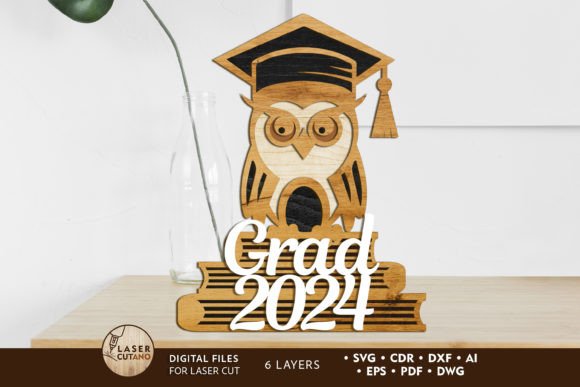
A Designer’s Review of the Graduation Owl Laser Cut Template
The Charm of a Scholarly Owl: First Impressions for Your Project
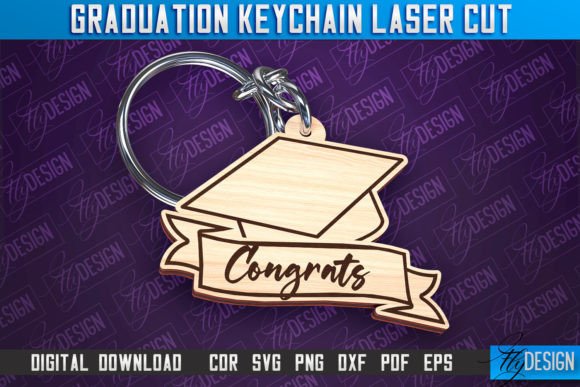
When you’re evaluating a new design for embroidery work, first impressions are everything. They tell you whether this is a design that will resonate with your clients or fit seamlessly into your own handmade products. Opening the Graduation Owl Laser Cut Template, I’m immediately struck by a sense of friendly celebration. The owl motif carries a classic, scholarly wisdom, paired with graduation cap details that feel playful rather than overly formal. The layout has a balanced, central weight, which is a great sign for embroidery; it means the design will sit nicely on a chest pocket, a tote bag panel, or a baby blanket corner without looking awkwardly lopsided. The level of detail is promising—enough to create visual interest, but without appearing so dense that it would become a stitching nightmare on certain fabrics. This template feels like it belongs to a specific, wonderful niche: personalized gifts and commemorative items for graduations, whether for a preschooler moving up or a university graduate.
Where This Owl Finds Its Home: Real-World Embroidery Applications
Thinking practically, a design’s true value is measured by where it performs well. Let’s walk through some real-life embroidery situations.
Imagine you’re preparing a custom embroidered sweatshirt for a graduate. This owl template, stitched on the left chest area with a crisp satin stitch for the cap and a smart fill stitch for the body, would create a clean, giftable piece of apparel. It has that handmade presentation that elevates a simple garment into a keepsake. For a small business owner selling at a craft fair, this design stitched onto a high-quality canvas tote bag makes for an excellent, seasonally relevant product. The theme is instantly recognizable, boosting buyer engagement because it taps into a shared moment of achievement.
It would also shine on a tea towel or apron as a gift for a teacher, or as a subtle, sweet decoration on a baby’s romper for a “graduation” from crib to toddler bed. As an embroidery file for patches, it offers a clean shape that could be finished with a firm border, perfect for attaching to a backpack or a letter jacket. For digital product sellers creating printable mockups, this design’s clear, iconic shape would look excellent in preview images for baby items or holiday gifts. In short, for crafters and apparel decorators, this template is a versatile commercial embroidery asset for spring and early summer merchandise.
Considerations for Optimal Stitching
While the mood is right and the applications are broad, a professional designer always considers where a design should be used carefully. Given this is a laser cut file intended for creating patterns, the resulting embroidery design—especially if it involves appliqué elements from the cut shapes—needs thoughtful execution.
Small hoop sizes might struggle if the design has very detailed corners or tiny lettering derived from the laser file. Always confirm the final embroidery file’s dimensions. Textured fabrics, like some linen blends, could obscure cleaner lines, so a good stabilizer choice is key. On stretchy fabric like t-shirt knit, you’d want to ensure the stitch density is appropriate to prevent puckering. Dark fabric backgrounds require a thoughtful thread color contrast plan; test it on a scrap first to see if the owl’s details maintain their clarity. Applying it to curved surfaces like caps would depend on the final design’s adaptability—the central, compact shape is a positive sign here.
The goal is always to preserve visual appeal and stitching clarity, which directly affects product value and customer trust. A poorly executed design on an unsuitable material can undermine your brand consistency, while a well-planned application makes the item feel professional and giftable.
Practical Notes from the Workbench
Before you run this through your machine for a client project or a new Etsy listing, here are my straightforward, practical embroidery designer notes.
- Always, always test the design on scrap fabric first. This is non-negotiable. It reveals how the thread colors interact with your chosen material and exposes any potential issues with stitch density or small details.
- Check the design in both black and white mockups, or compare it on light and dark fabric backgrounds digitally if possible. This helps you plan thread palettes for different product lines.
- Use the proper stabilizer for your target fabric. A laser cut template might imply precise edges for applique; the right stabilizer ensures those edges stay sharp after stitching and washing.
- Crucially, confirm the licensing terms of the original laser cut files before selling finished items or digital products. You need clear rights for commercial embroidery projects if that’s your intent.
- While this template feels ideal for personal gifts and small shop merchandise, its suitability for high-volume commercial embroidery would depend on the final, converted embroidery file’s complexity and your machine compatibility. Verify the specifics.
The Graduation Owl Laser Cut Template, when approached with this practical mindset, is a design asset with strong potential. It creates a mood of warm celebration, fits naturally into a range of embroidered products, and can help crafters and creative entrepreneurs build a cohesive line of commemorative gifts. Its success, as with any design, hinges on your thoughtful application of these real-world embroidery principles. Happy stitching, and may your projects—and your graduates—shine.