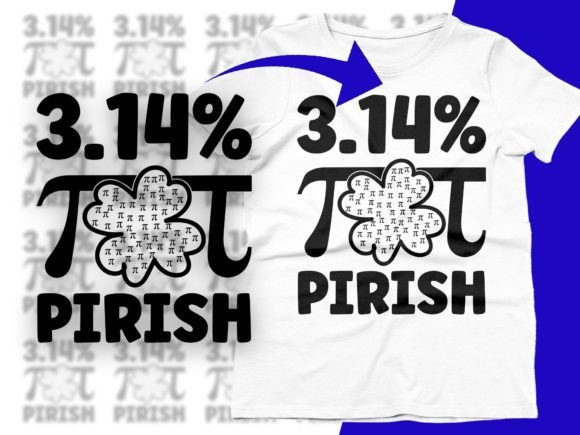
A Designer's Look at the Pi Day 3.14 Pirish Math Teacher SVG
From the first glance, the Pi Day 3.14 Pirish Math Teacher SVG design stands out as more than just a holiday graphic. It’s a playful, slightly irreverent nod to a niche celebration, wrapped in a theme that feels instantly recognizable to a specific audience. The central concept—a “pirish” or pie-ish take on a shamrock for Pi Day—has a clever, hand-drawn personality. It doesn’t feel overly commercial or stiff; it has the kind of visual charm that translates well into a handmade, embroidered product.
The Mood and Where It Naturally Belongs
This design creates a mood of lighthearted celebration and intellectual camaraderie. It’s perfect for math teachers, students, science enthusiasts, or anyone who enjoys a good pun. The layout is straightforward: the pie shamrock is the hero, with the “Pi Day 3.14” text integrated in a way that feels balanced, not overwhelming. For embroidery, this means the focal point is clear. The detail level is moderate—it’s not overly intricate, which is a significant advantage. Too many tiny, delicate lines can become a nightmare in thread, especially on textured fabrics. This design, however, looks like it would stitch out with clean, readable shapes.
In my mind, it naturally belongs on casual, celebratory items. I immediately pictured it on a custom embroidered tote bag for a teacher’s conference or as a centerpiece on a sweatshirt for a school’s Pi Day event. The playful theme lends itself to gifts—a personalized apron for a baking math enthusiast, or a fun patch on a child’s backpack. It feels less formal, more “fun gift” or “small shop merchandise” than high-end corporate apparel.
Performance in Real-Life Embroidery Situations
Let’s walk through a real scenario. Imagine you’re an Etsy seller preparing a batch of embroidered kitchen towels as Pi Day gifts. You choose this machine embroidery design. On a light-colored, mid-weight cotton towel, the design would pop. The shamrock’s leaves and the pie crust detail would likely be rendered with satin stitches or fill stitches, creating a pleasing texture. The text, if kept at a reasonable size, should stitch clearly without tiny letters blurring into a mess—a common pitfall with some digital embroidery files.
On a sweatshirt or a tote bag, the design’s scale is crucial. It needs to be sized so that the “3.14” remains legible but doesn’t demand an enormous hoop. On baby clothes or caps, you’d need to be cautious; the curved surface of a cap and the smaller available area might mean simplifying or focusing only on the pie shamrock element for clarity. As a patch, it could work beautifully—the complete design becomes a standalone piece of holiday embroidery that can be applied to anything.
For commercial embroidery projects, say for a small boutique selling teacher-themed merchandise, this design adds value because it’s specific yet approachable. It helps build brand consistency for a shop focused on educational or nerdy gifts. The handmade presentation feels authentic because the design itself isn’t overly slick; it has a craft-ready personality.
Where to Use This Design With Care
Not every fabric or product will be a perfect canvas. Here’s where a practical designer’s judgment comes in.
On very textured fabrics like some sweaters or blankets, the finer details of the pie crust lines might get lost. On thin, stretchy fabric for t-shirts, stitch density becomes a critical concern. A dense fill stitch in the shamrock could make the fabric pucker or feel stiff, affecting comfort and the product’s longevity through frequent washing. Always, always use the proper stabilizer.
If you’re working on dark fabric, thread color contrast is everything. The design’s visual appeal hinges on the contrast between the elements. A white or bright cream thread for the “pirish” element on a dark hoodie would be stunning, but you must check that the design’s outlines are clear enough to prevent the fill stitches from bleeding together visually.
Small hoop sizes are another consideration. If you try to shrink this design down too much for a tiny baby item or the corner of a tea towel, the text will become a series of unreadable dots. The design’s strength is its integrated concept; losing the text diminishes it. Always test on scrap fabric first at your intended size.
Practical Notes for Embroidery Designers & Makers
Before you commit this to a client’s order or a batch of small shop products, do your homework.
- Run a test stitch on a scrap of your target fabric. Observe how the details translate into thread.
- Check thread color contrast by viewing the design in simple black and white mockups. Does the composition hold up?
- Review the actual embroidery file in your software. Look for any potential trouble spots like overly dense areas or tiny corners that might not stitch cleanly.
- Confirm your hoop size can accommodate the design at the size you want without forcing awkward repositioning.
- Crucially, confirm the licensing terms of this digital embroidery file. Is it cleared for commercial use, allowing you to sell the finished product? Never assume.
How This Design Affects Your Project's Value
Using the Pi Day 3.14 Pirish Math Teacher SVG intelligently boosts your project’s appeal. It shows you understand a niche audience, which builds customer trust. A math teacher receiving a custom embroidered pillow cover with this design feels recognized, not just marketed to. That enhances giftability and buyer engagement.
For your craft business, it provides a ready-made, clever design asset for a specific holiday, saving you creation time. It allows you to offer a personalized product that still feels professionally executed because the design is coherent and well-balanced. The visual appeal and stitching clarity you achieve directly impact how customers perceive the quality of your handmade product.
In the end, this design is a solid choice for makers looking to create celebratory, niche items. It’s not for every project, but for Pi Day—for that teacher, that student, that science-loving friend—it turns a simple embroidered tote, sweatshirt, or apron into a conversation piece. That’s the real value of a good graphic: it stitches a story.